NBA Blowout Prop Strategy: How Lopsided Games Destroy — or Create — Value
 Available in US
The Blowout Problem: When Your Prop Bet Ends Early
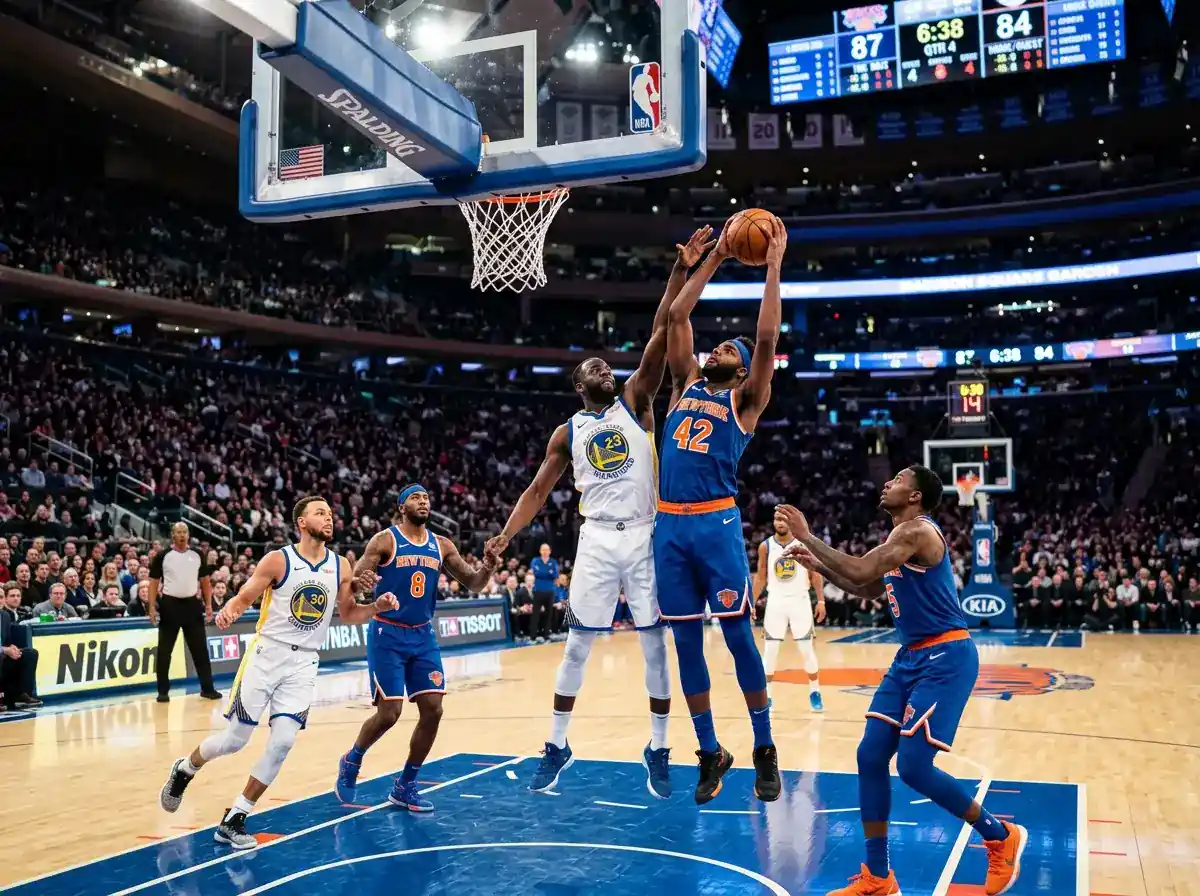
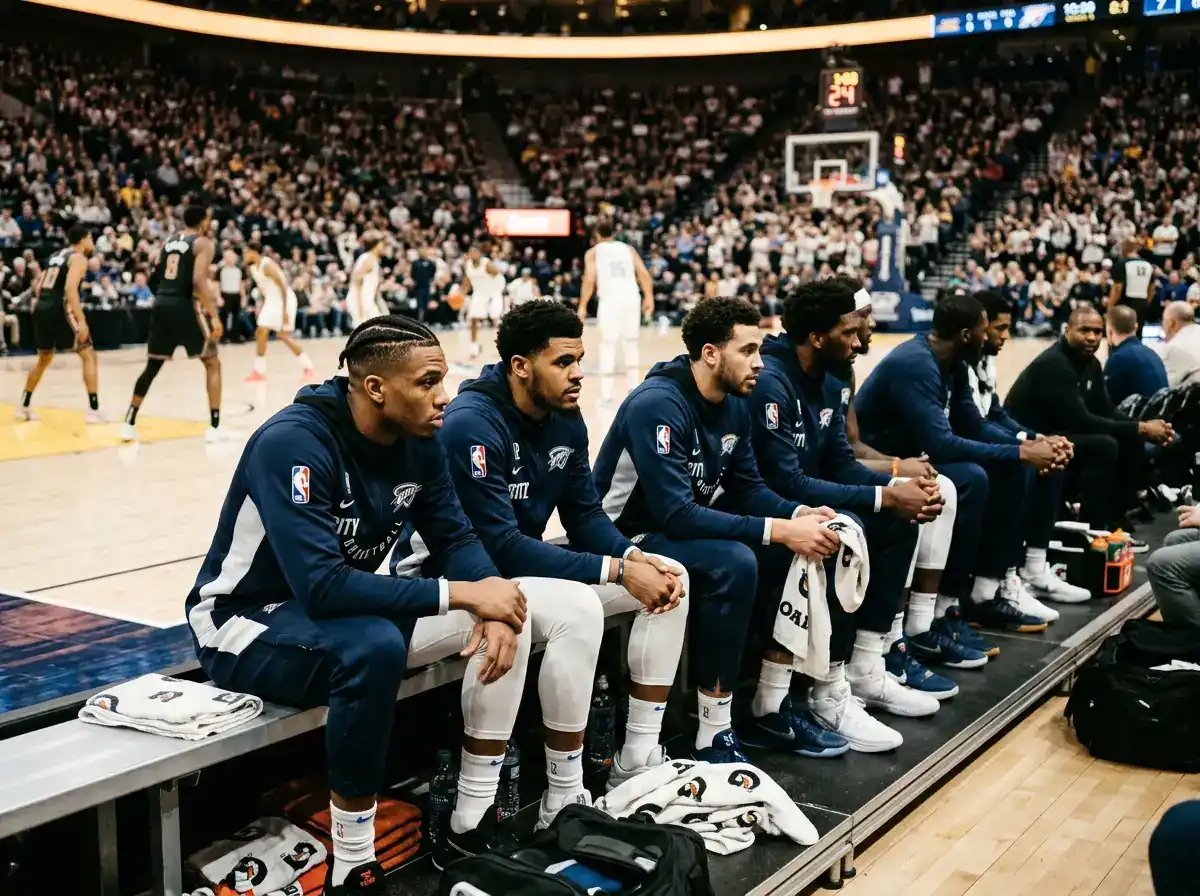
There is a specific kind of frustration reserved for prop bettors: watching your player cruise toward an easy over, then seeing his coach pull him with eight minutes left because the game is a 25-point laugher. The stat line reads 19 points. The line was 22.5. The game has ten minutes left, but your bet is effectively dead because the star is on the bench in a tracksuit, laughing with the assistant coaches.
Blowouts are the silent killer of NBA prop bets. They do not show up in season averages or rolling form numbers, but they lurk behind every game with a double-digit spread. Over the last 60 days of the 2025-26 season, 1,152 games went under their projected total — and while not all of those were blowouts, the correlation between lopsided final scores and reduced star minutes is strong enough to shape your entire approach to prop analysis.
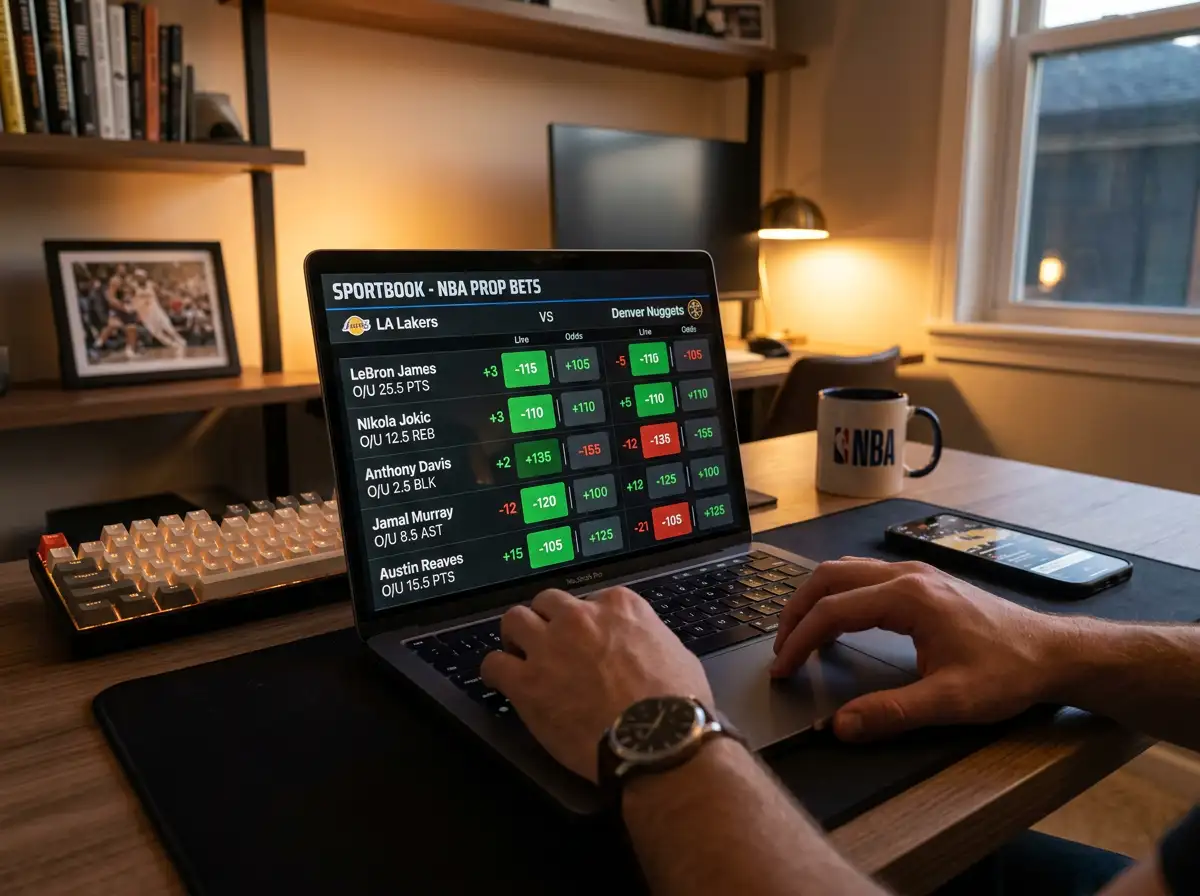
I treat blowout risk as a mandatory pre-bet filter. Before I evaluate any matchup, usage rate, or defensive metric, I check the spread. If the projected margin exceeds 10 points, I flag the game as blowout-vulnerable and adjust my analysis accordingly. That single step has saved me from more losing bets than any fancy statistical model.
How Blowout Margins Cut Star Minutes and Tank Props
The mechanics are straightforward. NBA coaches manage star players’ workloads carefully, and a game that is decided by the third quarter is an opportunity to rest key players for the next game. Most coaches begin pulling starters when the lead reaches 20 or more points in the fourth quarter — sometimes earlier if the lead built during the third quarter.
A star who normally plays 34 minutes might log only 26 in a blowout. That eight-minute difference is not trivial — it represents roughly a quarter of his normal playing time. If his per-minute scoring rate is 0.7 points per minute, losing eight minutes costs him 5.6 points of expected output. A points line of 24.5 that looked comfortable at full minutes becomes a tense 18.9 projection in a blowout scenario.
Rebounds and assists are equally affected, though the impact is slightly different. Rebounds track closely with minutes because the accumulation is roughly linear — more time on the court means more missed shots to grab. Assists can actually spike in the early stages of a blowout if the winning team is running efficient offence, but they crater once the bench players enter and the offensive system simplifies. PRA props, which combine all three categories, take a compounding hit in blowout scenarios because the reduction applies across all three components simultaneously.
The opposing team’s starters face a different problem. In a blowout loss, starters might actually play more minutes than usual — coaches often leave them in longer, hoping for a comeback. But the quality of those minutes degrades. Trailing by 20 means more rushed possessions, lower shooting efficiency, and fewer high-quality opportunities. A player might log 36 minutes but produce only 16 points because half of those minutes were spent in garbage time with a collapsed offensive structure.
Strategies to Manage Blowout Risk on NBA Props
My first line of defence is the spread itself. Games with a projected spread of 6 points or fewer are the safest environment for prop overs — both teams’ starters are likely to play full minutes, and the game script supports meaningful basketball deep into the fourth quarter. Games with spreads of 7 to 10 points carry moderate blowout risk, and I adjust my target by reducing the projected output by 5-8%. Games with spreads above 10 are blowout-dangerous, and I avoid prop overs on the favoured team’s starters unless the odds compensate for the reduced minutes.
I also pay attention to recent blowout frequency. Some teams blow opponents out regularly — typically top-five offences matched against bottom-ten defences — and those teams’ starters have shorter average minutes across the season precisely because they spend so many fourth quarters on the bench. If a player’s season average already reflects frequent blowouts, the bookmaker’s line is partially adjusted. But when a normally competitive team is heavily favoured in an unusual matchup, the blowout risk might not be fully priced in because it falls outside the player’s typical game profile.
The second defence is targeting the underdog’s primary scorer. In a potential blowout loss, the underdog’s best player often absorbs extra usage as the team fights back — meaning his shot volume stays high even as efficiency drops. His points line might look reasonable at 22.5, and the increased usage in a losing effort can push him over even in a loss. The risk is the opposite scenario — a blowout so severe that even the underdog’s starters get pulled — but that happens less frequently than on the winning side.
The third strategy is using live props to hedge blowout exposure. If you have a pre-match over on a player and the game starts turning into a blowout, the live prop market often reprices dramatically. You can take the under on a repriced live line to lock in a partial profit or limit your loss. This is not free — you pay the live prop vig — but it converts a total loss into a manageable outcome.
The win rate data across the 2025-26 season — 56.8% overall on evaluated props — includes games that went to blowouts. Removing blowout-affected games from the dataset would push that win rate higher, which tells you that blowout scenarios are a persistent drag on prop performance. The bettors who account for them outperform those who do not, and the adjustment is not complicated: check the spread, assess the risk, and either skip the game, adjust your target, or plan a live hedge. Ten seconds of due diligence, and you avoid the most predictable source of prop losses in the NBA.
What happens to an NBA prop bet when a player sits out the fourth quarter in a blowout?
The bet stands. NBA prop bets are settled on the player’s final statistical line regardless of how many minutes he plays. If a player is pulled in the third quarter because his team leads by 25 points, his stats at that point are his final numbers for settlement purposes. There is no adjustment or void for reduced minutes due to blowout scenarios — the only void conditions are if the player does not enter the game at all.
Can I use live betting to hedge a prop during a blowout?
Yes. Most UK bookmakers that offer live NBA props will reprice player lines during the game based on current performance and projected minutes. If a blowout is developing and your pre-match over looks unlikely, you can take the under on the repriced live line to offset part of your loss. The live prop will carry wider margins than the pre-match line, so the hedge is not free, but it can convert a total loss into a partial one.
Published by the nba Player Prop bet team.